Memory, Nostalgia, and Cinema in Kolkata: A Community History of Single-Screen Theaters
My Proposal

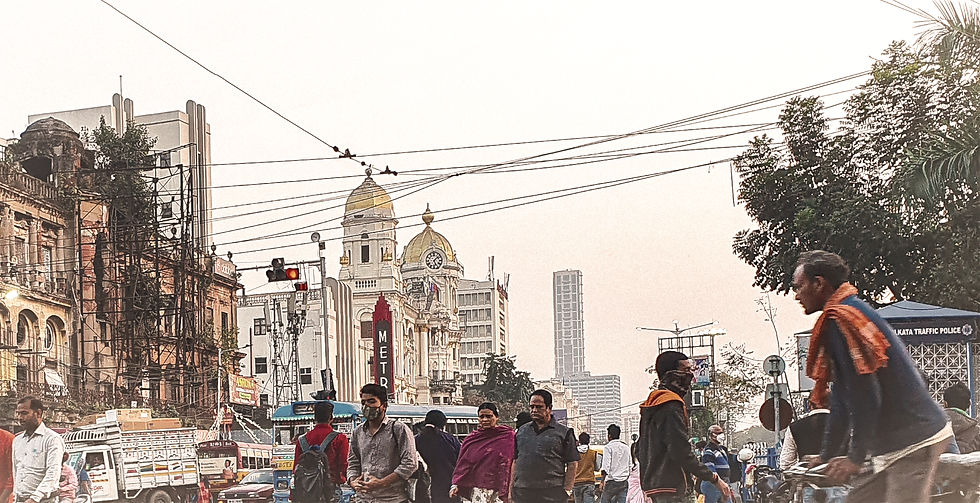
MGM's Metro: Then and Now
My project seeks to explore the intersection of memory, cinema-going, and community through the lens of the gradual closure and obsolescence of Kolkata's single-screen cinemas. As a graduate researcher, I want to identify the anthropological/socio-economic losses localities encounter with the closing down of single screen cinema halls. The research will investigate how nostalgia and memorialization shape collective experiences of these spaces, exploring patterns of film-going through the lenses of gender, class, sexuality, and community identity. Furthermore, my aim would be to archive such losses through oral narratives, and the sociocultural and economic positives that can emerge through the revival of single screens. A parallel, comparative study of such closures of single-screens in big cities of America may consolidate the general findings of the proposed project.
Taking cue from Mark Fisher’s concept of capitalist realism, I would like to establish how single screens have been relegated to a negative form of traditionalism and anti-modern in the face of late capitalism’s business ontology.
While at the same time, late capitalism has evolved to fundamentalize nostalgia. Using Svetlana Boym’s concepts on Nostalgia and the off-Modern, my aim would be to investigate if a restorative undertaking of single screens can shed light on an alternative socioeconomic mode of production.
This brings me to another aspect of the proposed project, establishing “Nostalgia” as Social Emotion, defined such by Boym, and if newer identities—both cultural and economic—can be generated by reestablishing these spaces based on a foundation of Social Emotion.
The following is an attempt to showcase the approach for the fieldwork required in this project. All photos on this page and the rest of the website have been taken by me, unless otherwise stated.

Baren Das, sells tea outside the main entrance of erstwhile Aleya. Other than the diminishing customer base with the cinema’s closure, he gets emotional about the lost ties with the other workers in and around Aleya. He recollects how the ushers would help him sneak inside the hall for a quick watch of a hit film. “Khatir taai chole geche.” This roughly translates to, “The courtesy and the benevolence among us workers is lost now.”

The torn and frayed facade of erstwhile single-screen cinema, Aleya, being redevolped into a real-estate property.

Nilam Debi Shau recollects her film going memory at a single-screen cinema called, "Purbasha". Purbasha has made way for a real estate property. Most of her recollected films where family dramas or religious films.


Babu Mondal (beard) grew up literally next to Purbasha. He mentions how a fire broke out inside the hall once. Kishan Shah (standing next to Babu) narrates his memories of touts selling pre-bought tickets at hgher prices. He also describes the bustling street food scene that sprouted around the cinema. Narrations such as these shed light on compositions of localities that house single-screen theatres.
An apartment juts out where Purbasha once stood.
He shares the name of a famous Indian film star, Sunil Shetty. Or that is what we wanted me to believe. A rickshaw puller by profession, his recollections were of ferrying famous personalities associated with cinema, least of whom certainly was not Satyajit Ray!

The interesting observations which emerge from this field test are how film going memories intersect with the identities of the narrator. Nilam Debi Shau’s memories reflect on films that focus on family ties like, “Ghar Sangshar.” Her husband, Vikari Shau, who would serve snacks inside the hall during intervals, remembered action films and B-movies which were adult certified. Another interviewee, Seema Das, recalled with great glee how she and her husband enjoyed single-screen outings for romcoms. Deepak Das, while recollecting film-going experiences in Kolkata, also mentioned how in his rural hometown he would not feel the same enthusiasm to visit cinemas with family members. Being in the city and visiting cinemas alone gave him a semblance of independence. Kolkata, with the gradual absence of single-screens, migrant workers like Deepak, who represented a multicultural aspect of the city, starts losing some of its cultural experiences on offer.